
A year on the farm 2026
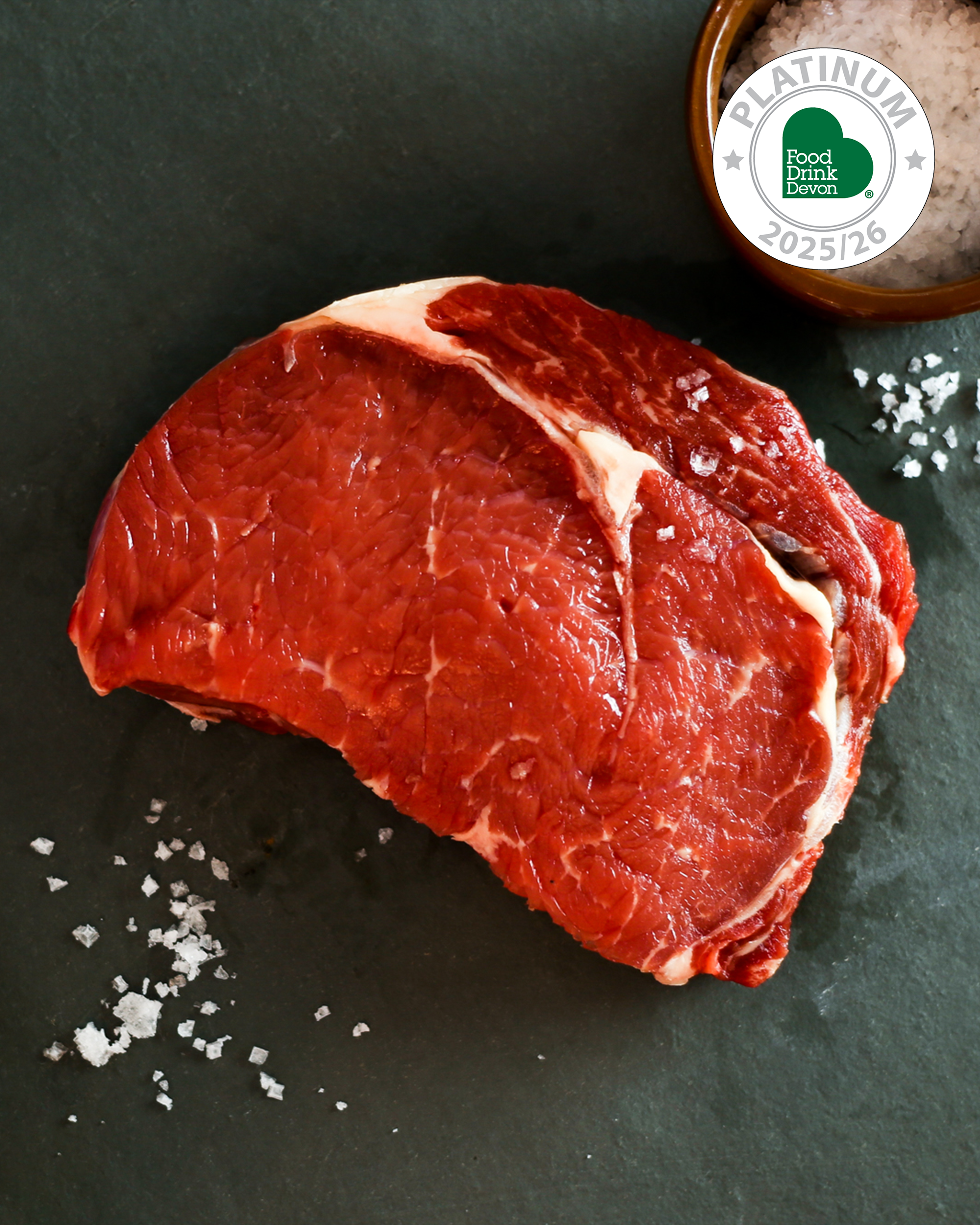
From the start, the Greendale beef herd has been integral to the success of Greendale Farm Shop; we’ve gained a reputation for superb quality beef, thanks to the expertise of our farm management team and the skilled butchers at the Farm Shop.
The beef herd here at Greendale is a key part of our plans for the future; we recognise the growing need to adopt as sustainable an approach to farming as possible, and our Farm Manager, Tom, and his team are currently undertaking a programme designed to reduce the carbon footprint of our beef production to net-zero by 2027. In the meantime, we’re already using the manure from our cattle to help produce our own renewable energy supply, via an anaerobic digestion (AD) plant. The manure is fed into the AD plant as fuel, where it’s broken down to produce biogas that in turn provides power to the Farm Shop. We're also pleased to be part of an ongoing environmental land-management trial under the government’s Countryside Stewardship Scheme.
We caught up with Tom to see what’s new at the farm and what the team are hoping to achieve in 2027 and beyond.

Q1: What kind of year has 2026 been on the farm?
It’s been a challenging year. Relentless rain in the new year into spring. We got the crops in good time and with a good seed bed. What followed was the dryest summer ever on record. Our grass and maize got off to a good start, and we were lucky to have some good grass yields early on. What followed with the weather being
so hot and so dry, meant that all crops suffered greatly. Cereals saw the least damage; however, maize is around 40% down on yield and grass around 30% down. This is coupled with ever changing global issues, which have driven the price of feed, diesel and wearable metal through the roof. On the livestock side, the intense heat initially had quite an effect on the cattle, however, amazingly they seemed to settle into the heat. The cattle drank around 30 tons of water per day during the heat waves!
Q2: AD Plants, as an option for decarbonisation, often receive less recognition and support from the government and the general public, than other renewable technologies, e.g. wind and solar. Why do
you think this is?
Generating Biogas, using an Anaerobic Digestive plant, is the only renewable energy source that is not weather dependant. Come rain or shine the AD plant thumps away producing clean, reliable, renewable electricity.
There is currently very little public awareness around the benefits of AD. This year we’ve launched our ‘Powered by Cow Poo’ marketing campaign to try to re-address this issue creating a fun and interactive website that educates people of all ages.
Q3: What initiatives have you been putting in place to help meet your target of being net-zero on beef production?
We’ve been trialling cattle feed made with by-products from the brewing and baking industries; however, consistency, availability and supply have proved challenging. We’ve also implemented the latest technology on the farm to record individual animal growth and harness lifetime data. Using manure from our cattle to help
produce our own renewable energy and keeping food miles low by supplying our own Farm Shop, have also helped to reduce our carbon footprint.
Q4: What's been your highlight of 2026 and what's planned for 2027 and beyond?
The highlight of 2026 has to be the performance of our AD plant. It’s been an excellent year with record number of Megawatts produced and we have used an incredible 13,000 tons of cattle manure to power our AD plant! We continue to improve and tweak how this operates. This year we’ve been experimenting with feeding it yeast and enzymes to improve fibre breakdown - this has been very successful, and we are getting more gas out of the
manure than ever.
For 2027, let’s see what the weather holds for us. We will continue to harness the rainwater from our farming buildings during the winter and spring seasons. This rainwater is mixed with our cattle dung and arable crops to feed our AD plant plus it will help to hydrate our herd during warmer weather. We will also look at
innovative ways to utilise heat (a by-product of converting biogas into electricity) and hope to expand our ‘Powered by Cow Poo’ EV delivery vans at the farm shop.